



The Behavioral Measurement Conference returned for its third edition on July 9 – 10, 2026, once again at the House of Finance on Campus Westend. Organized by Michael Kosfeld (Goethe University Frankfurt) and Florian Hett (Johannes Gutenberg University Mainz), this year’s edition was hosted by FLEX together with the Leibniz Institute SAFE, Interdisciplinary Public Policy Mainz, and the DFG Priority Program “New Data Spaces” (SPP 2431).
The program spanned two days of presentations and discussions. Day one opened with Holger Herz (University of Fribourg) on measuring intrinsic preferences for power and closed with Johannes Abeler (University of Oxford) on how to measure the effect of the social environment on preferences. In between, presentations by Simon Siegenthaler (University of Texas at Dallas), Steve Heinke (University of Fribourg), Yuliet Verbel (University of Michigan), Andreas Gerster (Johannes Gutenberg University Mainz) and Henrike Sternberg (Technical University of Munich) covered topics from interdependent behavior and structural modeling of financial decisions to in-group altruism, climate policy uncertainty and universalism in redistribution preferences.
Day two turned to the properties and validity of behavioral measures themselves, with talks by Julien Senn (University of Zurich), Taisuke Imai (University of Osaka), Guy Yanay (Hebrew University of Jerusalem), Friederike Mengel (University of Essex), Roberto A. Weber (University of Zurich), Peter Werner (Maastricht University) and Lea Naemi Weigand (Johannes Gutenberg University Mainz), on questions ranging from the stability of social preferences and adaptive preference elicitation to politically motivated reasoning, cooperation under escalating risk, monetary incentives for health behaviors and gender stereotypes in task choice.
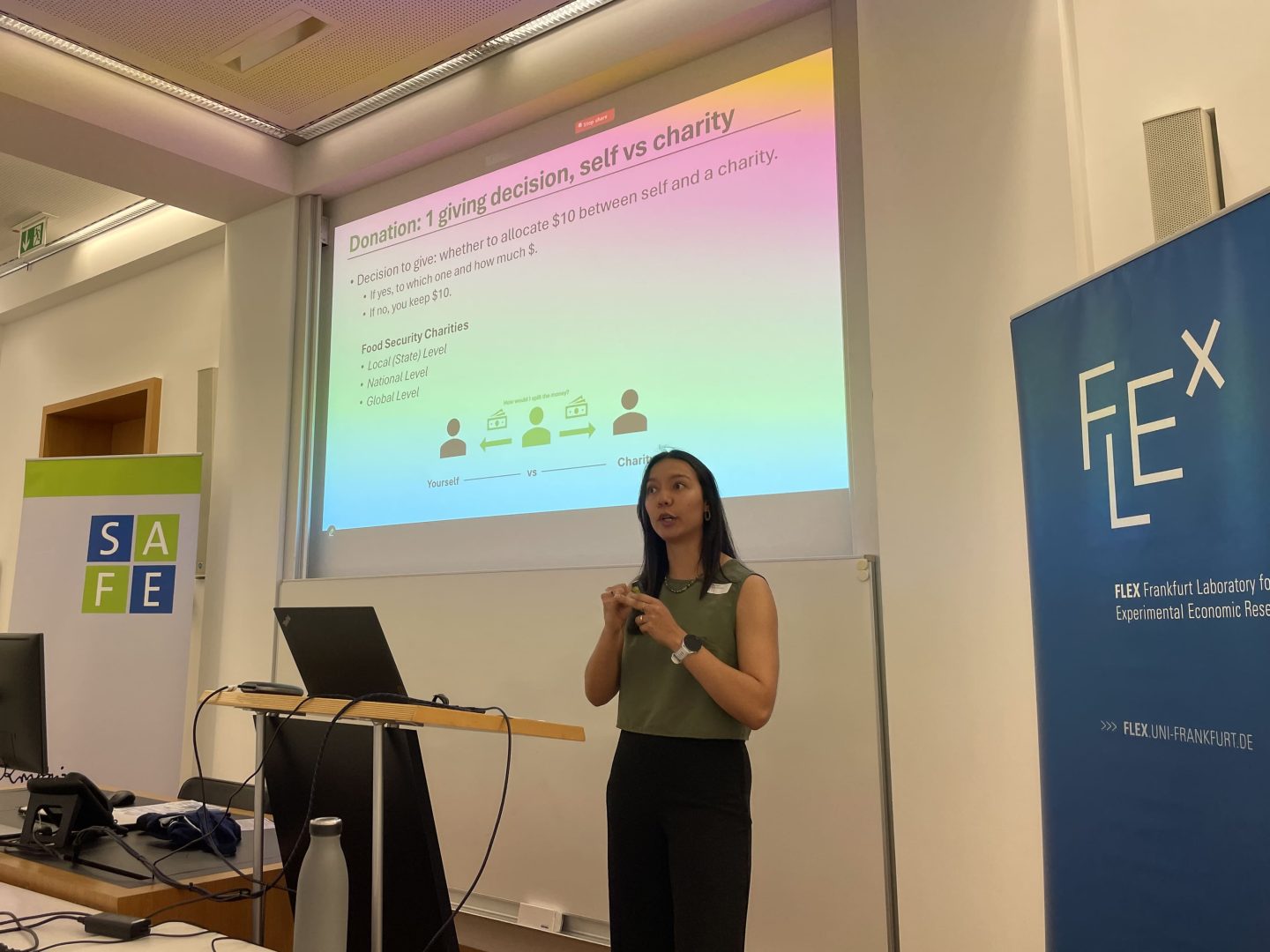
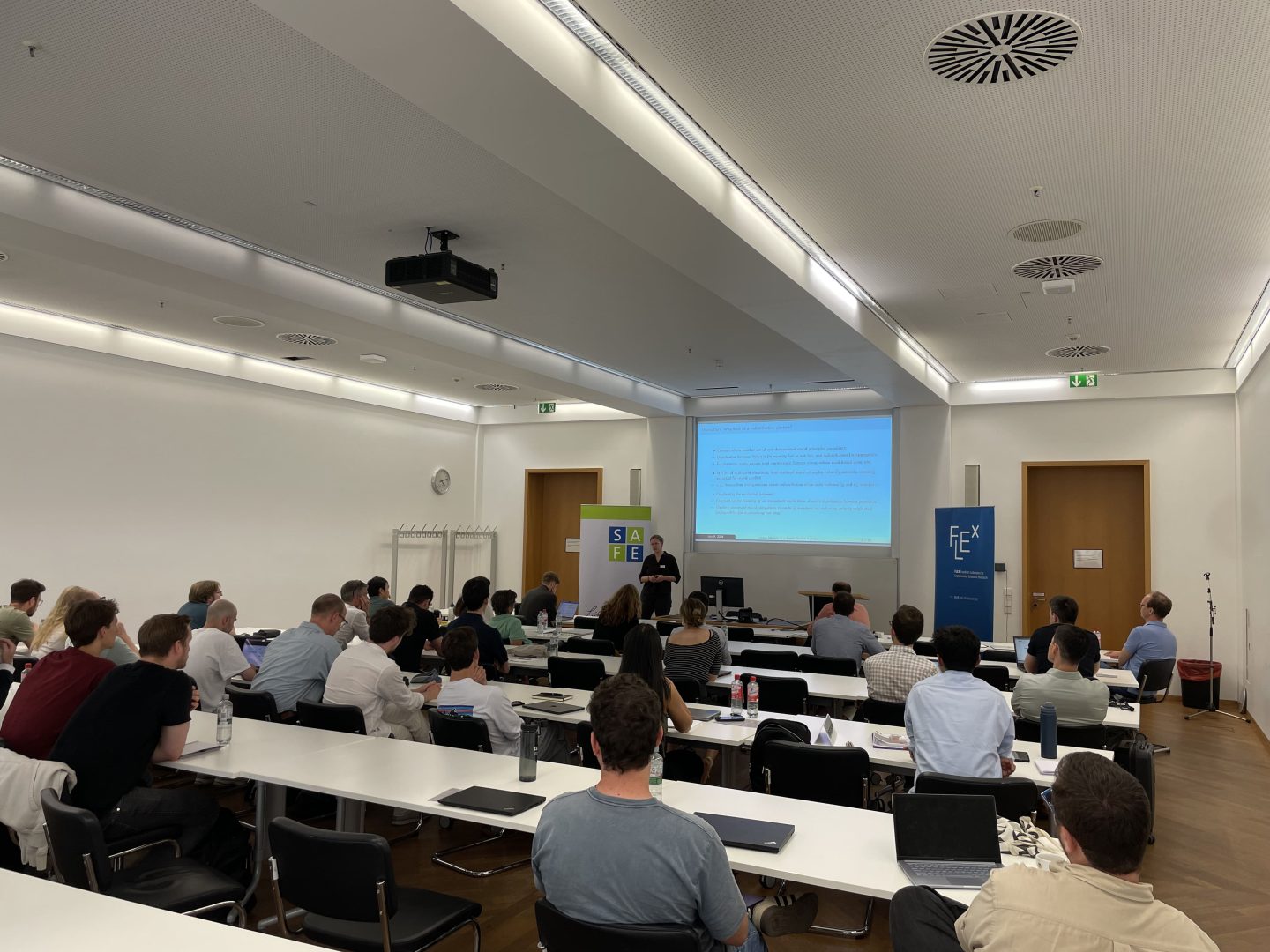
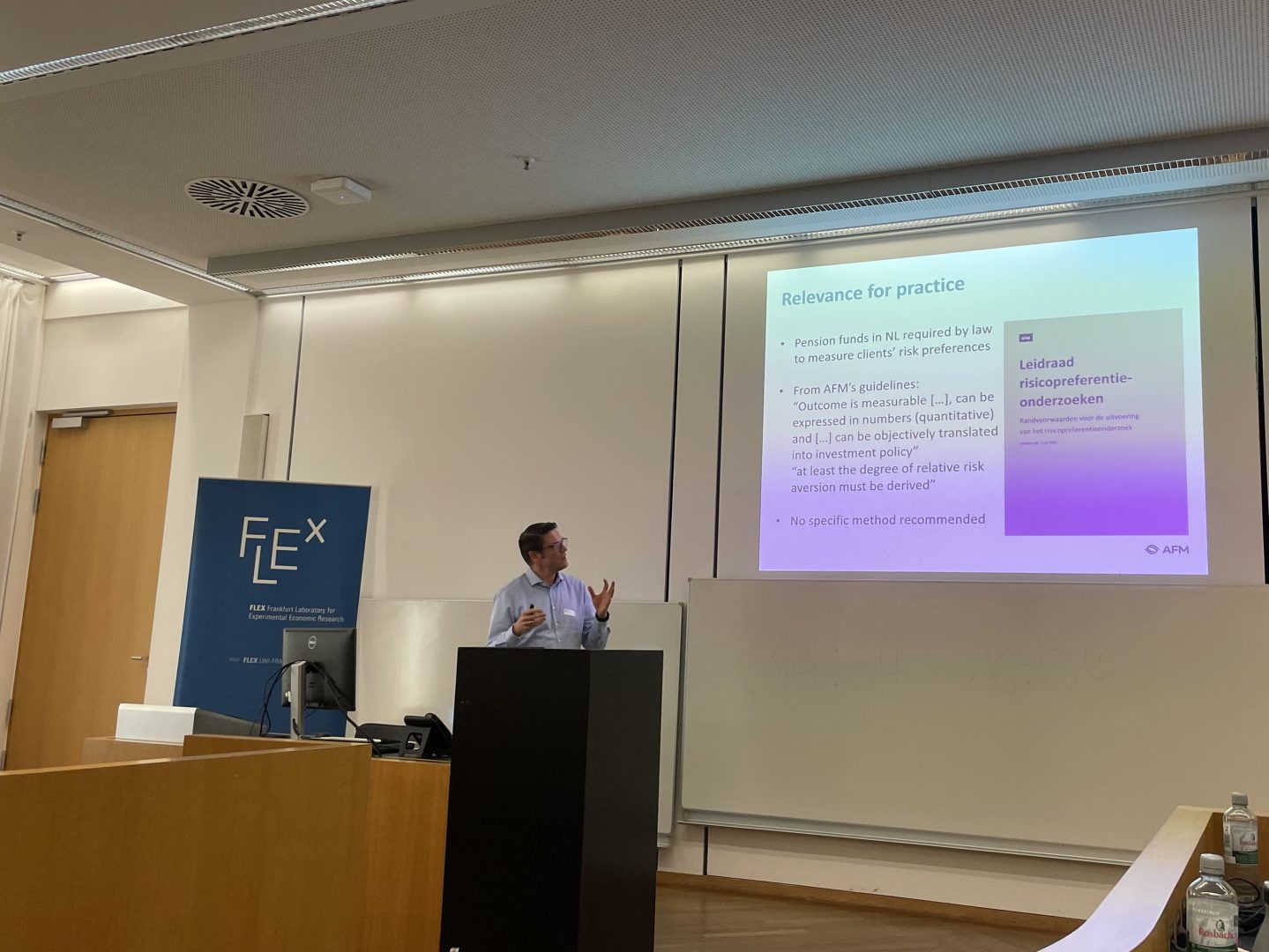
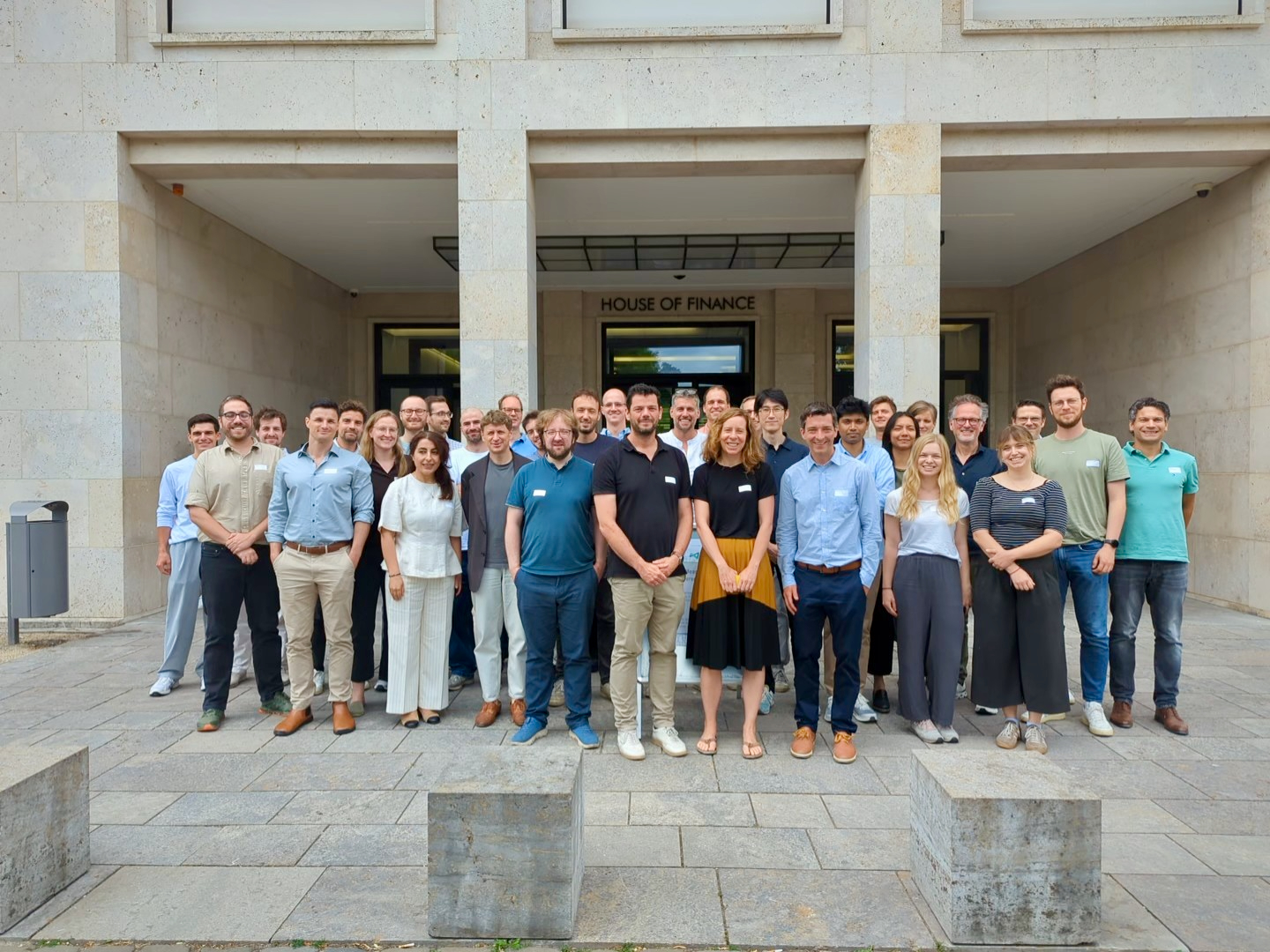
Here are some impressions from the Conference:






More information about the conference program is available here.